


In automated production lines, an intelligent component serves as the system's "eyes and ears" — detecting object presence without physical contact and converting this information into electrical signals for precise equipment control. These proximity sensors, though often overlooked, play a vital role in modern manufacturing.
Proximity sensors detect nearby objects through non-contact methods by measuring changes in physical fields (electromagnetic, electric, magnetic, acoustic, or optical). Compared to traditional mechanical contact sensors like limit switches, they offer distinct advantages:
These sensors function by establishing and monitoring specific physical fields. Different types utilize distinct phenomena:
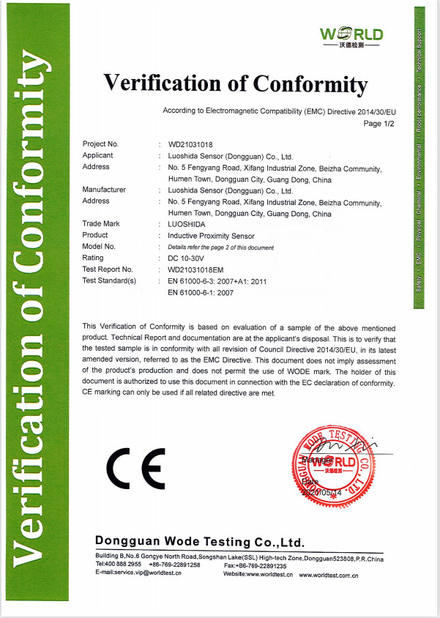
1. Inductive Proximity Sensors
Operation: High-frequency oscillating circuits generate alternating magnetic fields. Metal objects create eddy currents that alter oscillation amplitude.
Characteristics: Metal-only detection, short-range (millimeters to centimeters), industrial-grade robustness.
Applications: Metal part counting, positioning in machining operations.
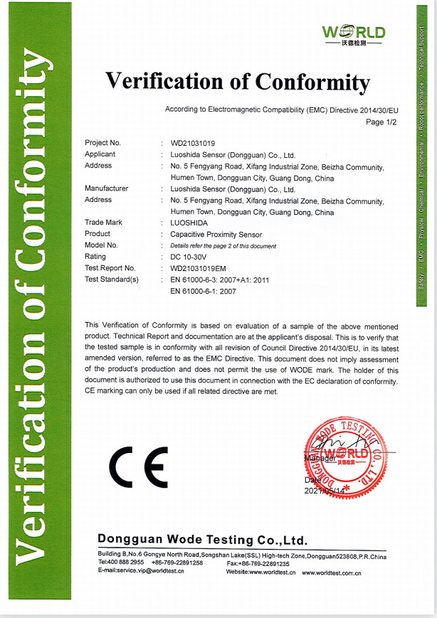
2. Capacitive Sensors
Operation: Detect changes in capacitance between electrode and target object.
Characteristics: Universal material detection, environmental sensitivity.
Applications: Liquid/powder level monitoring, non-metal object detection.
3. Ultrasonic Sensors
Operation: Measure time-of-flight for reflected sound waves.
Characteristics: Long-range (meters), material-independent, slower response.
Applications: Vehicle detection, bulk material monitoring.
4. Photoelectric Sensors
Operation: Use light beam interruption or reflection.
Characteristics: Extended range, high speed, ambient light sensitivity.
Applications: Object counting, safety barriers.
5. Magnetic Sensors
Operation: Detect changes in magnetic fields.
Characteristics: Ferrous-only detection, environmental immunity.
Applications: Pneumatic cylinder positioning.
Metal Shavings Interference (Inductive Sensors): Use IP67+ rated units, apply protective coatings, or consider magnetic alternatives.
Humidity Effects (Capacitive Sensors): Select waterproof models, implement environmental controls.
Dead Zones (Ultrasonic): Position sensors outside blind spots or deploy multiple units.
Automotive Manufacturing: Weld point verification, paint booth automation, assembly verification.
Electronics Production: PCB positioning in SMT lines, component testing.
Food Processing: Fill level control, packaging automation.
Emerging trends include miniaturization for compact installations, enhanced intelligence with self-diagnostic capabilities, wireless connectivity options, improved measurement precision, and multifunctional designs incorporating additional sensing modalities.
Контактное лицо: Mrs. Anna
Телефон: 18925543310


 Russian


